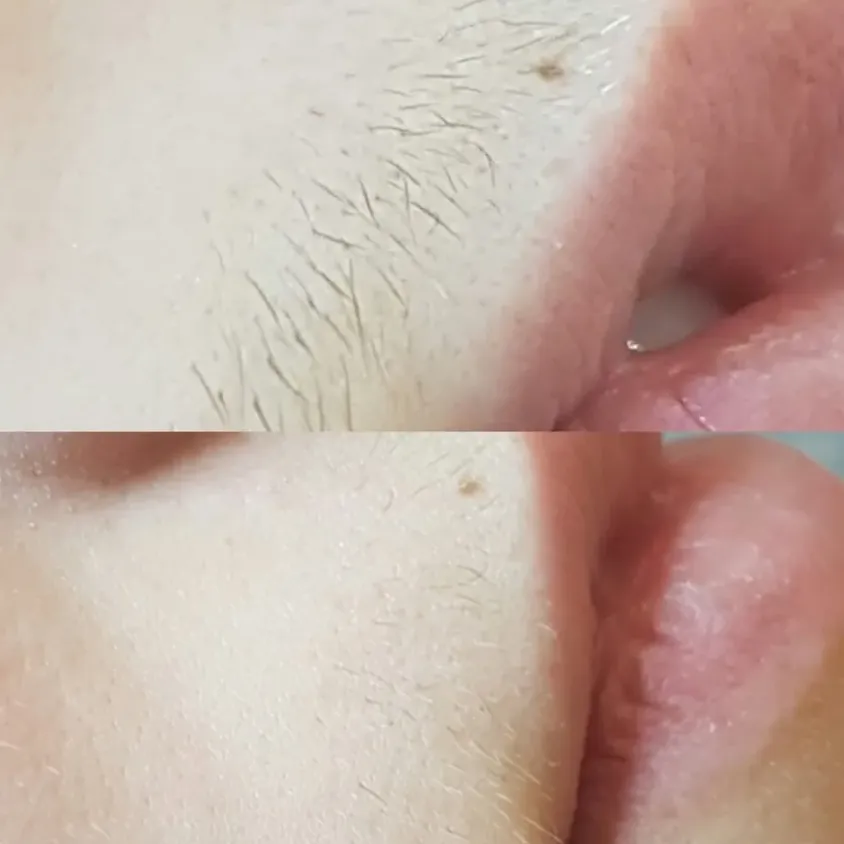
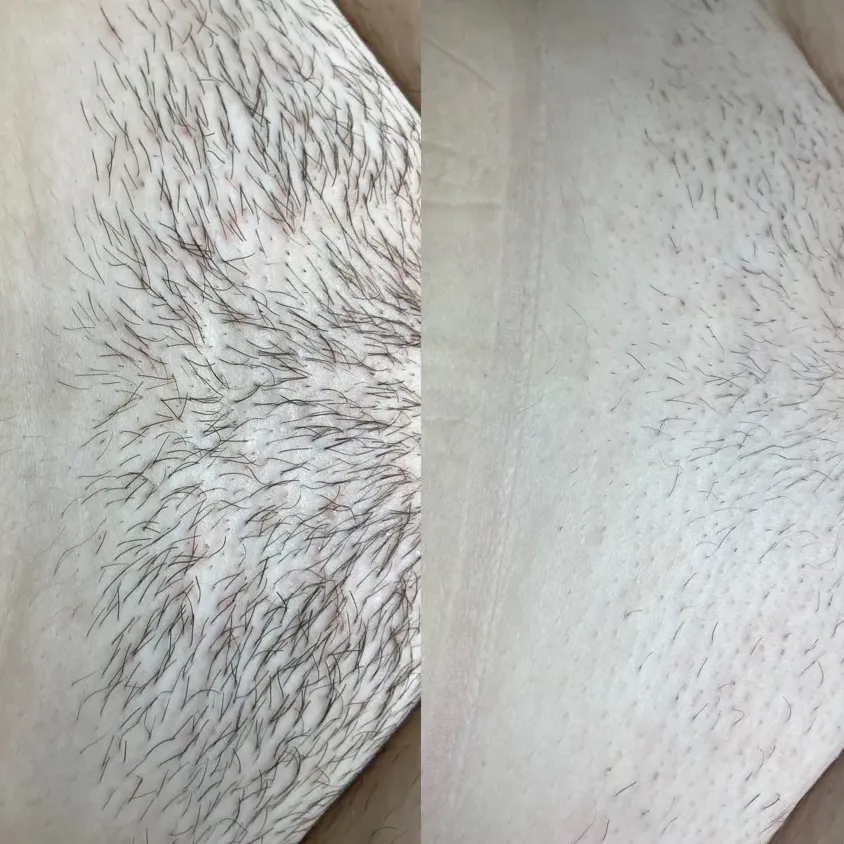
We accept HSA and FSA cards, but whether electrolysis is covered depends on your plan. Cosmetic hair removal is usually not eligible. Hair growth tied to a diagnosis such as PCOS or hirsutism may qualify with a letter of medical necessity from your doctor. Check with your plan administrator before you pay.
Key facts
| Cards accepted | HSA and FSA cards are accepted at our studio |
|---|---|
| Eligibility | Depends on your plan, confirm with your administrator |
| Cosmetic hair removal | Usually not eligible on its own |
| Medical need | Hirsutism and PCOS may qualify with a letter of medical necessity |
| Who writes the letter | Your doctor, not the studio |
| Prices | From $50 per session, listed on the prices page |
| Receipts | Itemized receipt provided on request |
| New clients | Free consultation, $25 off the first session |
Can you pay for electrolysis with an HSA or FSA card?
Yes, you can swipe an HSA or FSA card at our Irvine studio, and the payment will go through like any other card. Whether your plan later treats it as an eligible expense is a separate question that only your administrator can answer.
We take cards through Square, and HSA and FSA cards are accepted. That is a statement about payment, not about reimbursement. The rules come from your employer plan or your HSA provider, and they differ. Some plans are strict. Some are flexible. Some ask for paperwork up front, others only if you are audited.
Expert tip from Aida KhazievaCall your plan administrator before you pay and ask what paperwork they want. If a doctor has diagnosed a condition, ask about a letter of medical necessity first.
Licensed cosmetologist and electrologist, 20+ years
What are the general rules for HSA and FSA spending?
In general, these accounts pay for expenses that treat or prevent a medical condition, and they do not pay for expenses that are only cosmetic. The line between the two is where electrolysis lands in different places for different people.
| Reason for treatment | Usual treatment by plans |
|---|---|
| Cosmetic preference only | Usually not eligible |
| Hirsutism with a diagnosis | May be eligible with a doctor's letter |
| PCOS related facial hair | May be eligible with a doctor's letter |
| Ingrown hairs and folliculitis with a medical diagnosis | Depends on the plan |
| Hair removal for a medical procedure prep | Depends on the plan and your doctor |
General information, not tax or legal advice. Every plan sets its own rules, and no result is promised.
Because the rules are plan specific, the most useful move is a short call or message to your administrator. The questions to ask are listed below.
What is a letter of medical necessity?
A letter of medical necessity is a signed statement from your doctor that a treatment is needed for a diagnosed condition. Plans use it to see that the spending is medical rather than cosmetic.
A good letter usually includes:
- Your name and date of birth
- The diagnosis, for example hirsutism or PCOS
- A statement that hair removal is recommended to treat or manage the condition
- The treatment named, such as electrolysis, and the expected length of care
- The doctor's signature, license number and date
Only your physician can write this letter, because it documents your medical history. We do not write it for you, and we do not give medical advice. What we can do is give you an itemized receipt for each session, with the date, area and amount.
Does hirsutism or PCOS change the picture?
It can, because hirsutism is a medical term for excess dark, coarse hair in a pattern more typical for men, and PCOS is one of its most common causes. When a doctor diagnoses either condition and recommends hair removal as part of care, many plans are more open to the expense.
There are limits. We cannot promise your plan will approve it, and approval may differ between an HSA and an FSA at the same employer. Hormonal hair also tends to keep coming, so treatment often runs longer and works best alongside your doctor. Our PCOS facial hair page covers the process in more detail, including the session plan.
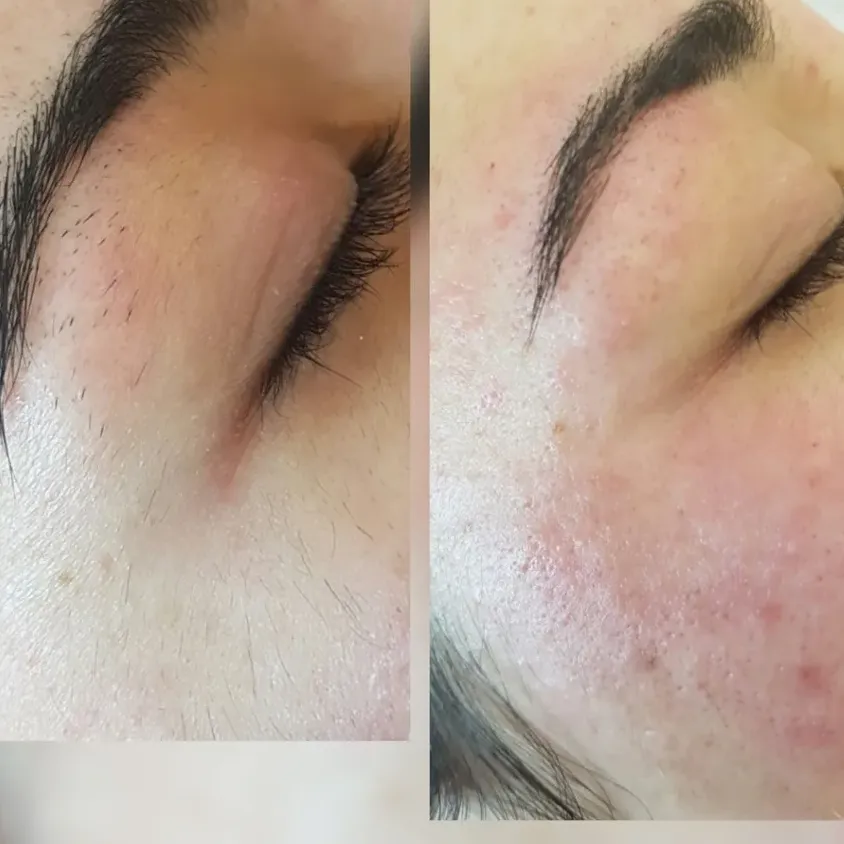
What should you ask your plan administrator?
Ask short, specific questions and write down the answers with the date and the name of the person.
- Is electrolysis hair removal an eligible expense under my plan?
- Do you need a letter of medical necessity before I spend?
- What diagnosis wording does the letter need?
- Is the letter good for one year or the whole course?
- Which receipts do you need for a claim or audit?
- What is my plan year end, and do I lose unused FSA funds?
- Can I pay by card, or must I submit a claim afterward?
The last two matter for timing. FSA balances often expire at the end of the plan year, while HSA money rolls over. If your balance is large, a 5 visit or 10 visit package may be worth discussing with your administrator, since packages save 10% and 15%.
What does electrolysis cost, and how do packages work?
Sessions start at $50 and rise with area size and time. First-time clients take $25 off, and the consultation is free.
| Area | Time | Price |
|---|---|---|
| Upper lip | 20 min | $50 |
| Chin | 30 min | $65 |
| Face, general zone | 30 min | $75 |
| PCOS session | 60 min | $110 |
See every service on the prices page. Packages save 10% on 5 visits and 15% on 10 visits, which helps with a longer course.
Which medical situations does an HSA or FSA usually recognize?
Plans tend to recognize hair removal when it treats a diagnosed condition rather than appearance. The examples below are common ones, but your plan makes the final call.
- Hirsutism. Excess coarse hair in a male pattern, diagnosed by a physician.
- PCOS. Polycystic ovary syndrome often drives facial and body hair, and treatment usually runs longer.
- Pilonidal disease or recurrent folliculitis. Hair removal is sometimes part of care for these, as recommended by a doctor.
- Medical procedure prep. Some procedures ask for hair removal of an area beforehand.
In each case, the key is that your doctor, not you or us, states the medical reason in writing. Without that, a plan has little to go on, and a claim is more likely to be questioned. Even with a letter, approval is the plan's choice.
Our role is to give you a clear receipt and honest information. We cannot diagnose, and we do not tell you that your condition qualifies. Our PCOS page describes how we work alongside your doctor.
What if your plan says no?
If your plan declines, you still have options, and the decision is not a verdict on whether you need treatment. Plans often decline for lack of paperwork rather than the condition itself.
- Ask what documentation they would need and why the claim was declined.
- Ask your doctor whether a revised letter would help.
- Use an HSA, which is often more flexible than an FSA, if you have both.
- Ask about our packages, which save 10% on 5 visits and 15% on 10 visits.
- Start with the area that matters most and expand later.
The $25 first-session offer and the free consultation also lower your upfront cost. Gift cards are available too, and family members sometimes use them to help.
Are there timing tips for FSA users?
Yes, because FSA money often has a deadline, and electrolysis runs for many months. Plan around the plan year.
| Account | Typical rule | Planning tip |
|---|---|---|
| FSA | Funds may expire at plan year end, some plans allow a short grace period or limited carryover | Ask your administrator about the exact deadline before buying a package |
| HSA | Funds roll over year to year | No rush, but keep receipts |
Those are general patterns, and plans differ. If you are close to a deadline, call your administrator first and ask what counts as the date of service. Then choose between single sessions and a package that fits.
How is electrolysis different from cosmetic treatments plans usually reject?
The difference is not the technique, it is the reason. The same session can be cosmetic for one person and part of medical care for another, which is why plans ask for a diagnosis.
Plans commonly exclude spending on beauty, such as facials, waxing, peels and most hair removal done for looks. They are more open to services that treat a condition. That is the reason the letter exists. It moves the expense from appearance to care, in the words of the person who diagnosed you.
Because the line is drawn by each plan, two coworkers at the same company may get different answers. One may be approved with a letter. Another may be declined because the plan administrator reads the rules differently. Ask, write it down, and keep the reply.
| Question | Who answers |
|---|---|
| Is my condition real and diagnosed? | Your doctor |
| Is hair removal recommended for it? | Your doctor |
| Is it an eligible expense? | Your plan administrator |
| How should the session be done and priced? | Our studio |
How do you talk to your doctor about the letter?
Be direct: say what you are treating, what you want to try, and what the plan needs. Doctors write these letters often and appreciate a short, clear request.
- Tell your doctor which diagnosis the hair is linked to
- Explain that you are considering electrolysis for long term hair removal
- Ask for a letter naming the condition and recommending the treatment
- Ask for it on letterhead with a signature and date
- Check with your administrator whether they need specific wording
Bring the plan's wording if you have it. Some administrators supply a form, and a doctor can complete it in a single visit. Keep a copy for your records and send us nothing unless you want us to know. We only need your receipt details, not your medical file.
Can packages and gift cards work with HSA or FSA cards?
Packages and gift cards are paid with a card like any purchase, so an HSA or FSA card can be used. Whether the plan reimburses a prepaid package is up to the plan, so ask before you buy.
A package of 5 visits saves 10%, and 10 visits save 15%. Some administrators want the date of service on each receipt, which means a prepaid package may be treated differently from single visits. Ask if you can claim as you go.
How do you keep your paperwork in order?
Keep the doctor's letter, your itemized receipts and your plan correspondence in one folder, paper or digital.
| Document | Where it comes from |
|---|---|
| Letter of medical necessity | Your doctor |
| Itemized receipt | Our studio, on request |
| Plan eligibility answer | Your administrator, in writing if possible |
| Diagnosis record | Your medical provider |
If you are still deciding between methods, read about electrolysis vs laser, and see our Irvine guide to what to know before you book.
We are at 18021 Sky Park Circle, Suite N, Irvine, CA 92614, open daily from 8am to 9pm. Call (949) 444-6191 with any questions about paying by card.
This article is general information and not tax, legal or medical advice. Eligibility depends on your plan, so check with your administrator. We do not promise reimbursement.
Bottom line
We accept HSA and FSA cards, but whether electrolysis is reimbursable depends on your plan and on your medical situation. Hair removal for purely cosmetic reasons is usually not eligible, while hirsutism linked to a diagnosis such as PCOS may be with a doctor's letter. Ask your administrator before you pay, and keep every receipt.
Questions
Do you accept HSA and FSA cards?
Yes, we accept HSA and FSA cards through Square at checkout. Whether the charge is reimbursable depends on your plan.
Is electrolysis an eligible HSA or FSA expense?
It depends on your plan and the reason for treatment. Cosmetic hair removal is generally not eligible, while treatment for a medical condition may be. Confirm with your plan administrator.
What is a letter of medical necessity?
It is a letter from your doctor stating that a treatment is needed for a diagnosed condition. Some plans ask for it before they approve FSA or HSA spending.
Can PCOS or hirsutism make electrolysis eligible?
It may, if your doctor diagnoses the condition and writes a letter. We cannot promise approval, because each plan decides for itself.
Will you write the letter of medical necessity?
No. The letter must come from your physician, since it documents a diagnosis. We can provide an itemized receipt of your sessions.
Can I use my card first and ask later?
You can, but it is safer to ask your administrator first. If a charge is later rejected, you may need to pay it back or submit a different claim.
Does insurance cover electrolysis?
Insurance coverage varies and we do not bill insurance. Ask your insurer directly if you want to know.
What receipts should I keep?
Keep the itemized receipt, your doctor's letter, and your diagnosis notes. Your plan may ask for them in an audit or at claim time.
Sources
- Cleveland Clinic. Electrolysis
- U.S. Code of Federal Regulations (FDA). 21 CFR 878.5350: Needle-type epilator
- Cleveland Clinic. Hirsutism
- Mayo Clinic. Hirsutism
- American College of Obstetricians and Gynecologists. Polycystic Ovary Syndrome (PCOS)
- MedlinePlus, NIH. Polycystic Ovary Syndrome
This article is general information about cosmetic treatments, not medical advice. For a skin or hormonal condition, talk to your doctor or dermatologist.